
From Calories to Clinical Care: The Role of Diet in Obesity Management
GLP-1 therapies may use a single medication or a combination of medications to help people manage obesity while improving heart and metabolic health. The results don’t last on their own. You need proper clinical care that also accounts for lifestyle choices, with a focus on nutrition. GLP-1s have been effective in obesity care, and there is enough data to support this. But these therapies may also lead to reduced intake of micronutrients and potential loss of bone and muscle mass if nutrition is not maintained. If you don’t approach this treatment with a long-term view, you may face weight regain and other issues. What does this mean?
You can take the best GLP-1 medications for weight loss. Semaglutide and tirzepatide can help you lose weight by regulating your cravings and appetite, leading to lower calorie intake. The slowed digestion caused by these drugs can also make you consume fewer calories. All these can contribute to weight loss and improved metabolic health. However, these effects are sustained when you follow a balanced diet. You should receive adequate and appropriate nutrition to allow the medications to work optimally without hampering your weight loss goals. To be specific, diet is another crucial factor here.
Food choices during GLP-1 treatment
Studies indicate that high-fiber foods help best manage blood sugar levels. They can include whole grains, legumes, vegetables, and fruits. While you are undergoing therapy, your doctor may suggest including eggs, berries, and other healthy foods in your meals. Eggs are a good source of protein and contain healthy fats. They may support hormones related to satiety, including GLP-1. GLP-1 plays an important role in promoting satiety, thus supporting the medication's effectiveness. You can also lean on nuts, avocados, and olive oil to enjoy the benefits of monounsaturated and polyunsaturated fats. These healthy fats not only support satiety signals but also take care of your brain health and hormonal balance.
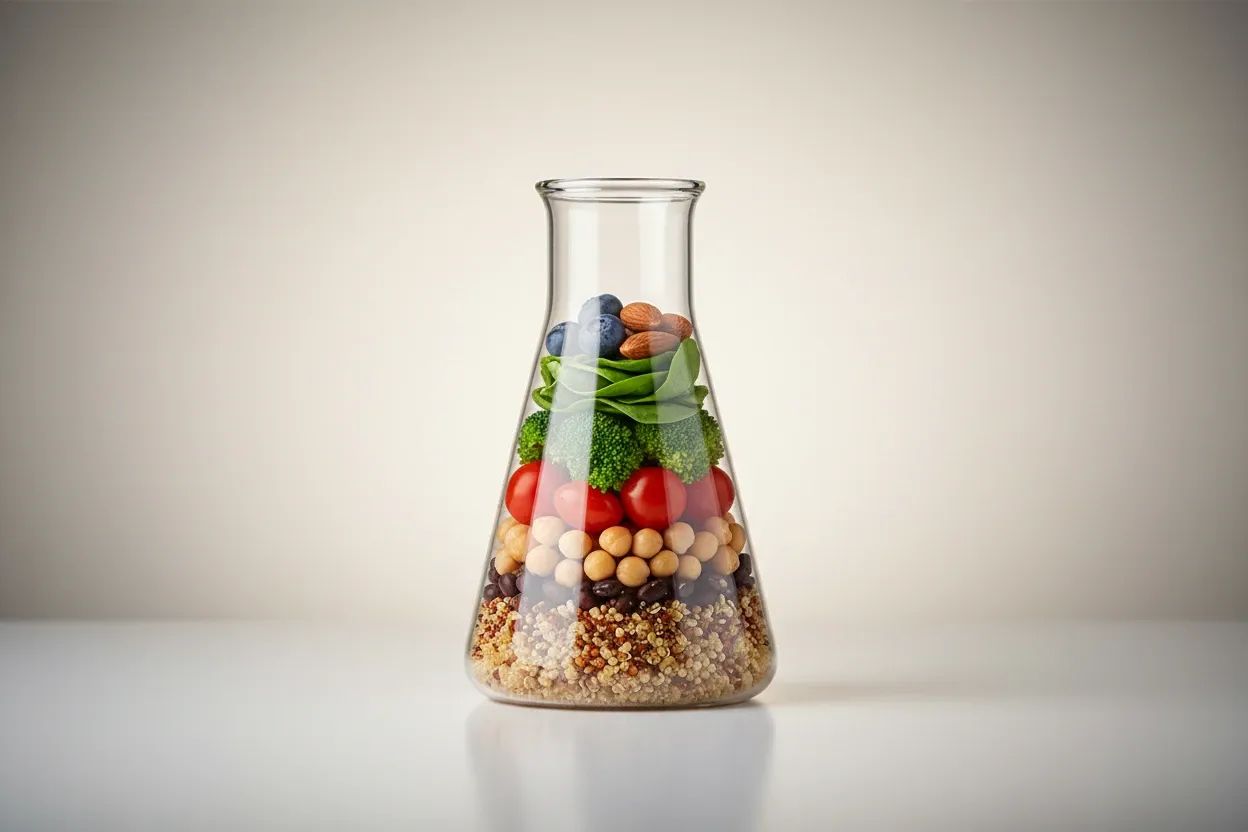
In whole grains, you can opt for high-fiber oats, quinoa, and brown rice. They are good for glucose regulation and digestion. You can also feel energetic after consuming them. To help reduce inflammation, you can eat antioxidant-rich strawberries and blueberries. These fruits contain relatively less sugar than many other fruits. Chickpeas, lentils, beans, and other legumes can be good for your digestive system as well. A combination of leafy greens (spinach, Swiss chard, and kale) and vegetables (Brussels sprouts, carrots, and broccoli) can also support healthy blood sugar levels and overall health.
Things to avoid during GLP-1 therapy
Just as some foods improve the effectiveness of weight-loss drugs, others can disrupt their results by increasing blood sugar levels. That's why it is advisable to stay away from them. These include refined carbs (pasta and bread), sugary drinks (soda and juices), alcohol, and fried or highly processed fatty foods. While GLP-1 medications create a sense of fullness that helps you avoid these foods, your conscious effort can be a game-changer as well.
Nevertheless, a weight loss journey is never easy. You need continuous support and guidance in all aspects of your lifestyle choices. When you choose structured therapies, your doctors provide guidance and support. They schedule regular check-ins to ensure you are doing well on the medication and that your diet and other factors are also on track.
Bio
About Dr. Sergey Terushkin (MD, FACS, FASMBS)
Dr. Sergey Terushkin is a highly respected surgeon specializing in general and bariatric surgery at Goal BMI General & Bariatric Surgery Clinic. Known for his patient-centered approach, Dr. Terushkin personally oversees every treatment plan at ThinERA, ensuring individualized care, thorough follow-up, and compassionate support at every stage of the journey.
Featured Image URL - https://drive.google.com/file/d/1oUsh0uCEd60ZSTiq7fl7h7KACyW3BUGK/view?usp=drive_link