
The Hidden Reason Your Diet Isn’t Working: It Might Be in Your Tap Water
Lead contamination in drinking water is usually discussed in the context of neurodevelopment, aging pipes, or environmental justice. What rarely enters the conversation is how lead exposure quietly intersects with the world of nutrition, weight regulation, and the science of appetite. Yet the more we learn about metabolic health, the clearer it becomes that contaminants we ingest—even at low levels—can shape the body’s hormonal landscape in ways that influence how we eat, how we store fat, and how we respond to dietary interventions.
Let’s point out the key effects of lead that it has for nutrition science.
First of all, lead is not a nutrient, but it behaves like one in the worst possible way. It competes with minerals that the body depends on—iron, calcium, zinc—and disrupts the biochemical pathways those minerals support. When lead interferes with iron metabolism, for example, the result can be chronic fatigue, low energy, and a subtle shift in appetite patterns. People often interpret this fatigue as hunger, reaching for quick calories to compensate. Over time, this can undermine even the most carefully structured dietary plan. A person may think they lack discipline, when in reality their physiology is being nudged off balance by a contaminant they can’t see or taste.
Secondly, the hormonal effects of lead are even more striking. Lead has been shown to alter leptin and ghrelin signaling—the hormones that tell us when we’re full and when we’re hungry. In animal studies, lead exposure blunts leptin’s satiety signal, meaning the brain doesn’t register fullness as effectively. In humans, the data is still emerging, but the pattern is consistent: lead exposure correlates with dysregulated appetite and increased adiposity. For someone trying to lose weight, this creates an invisible headwind. A dietary plan that should feel manageable suddenly feels like a constant battle against cravings, and the person blames themselves instead of the water coming out of their tap.
Third point. The thyroid is another casualty. Lead can interfere with thyroid hormone production and conversion, slowing metabolic rate in ways that mimic hypothyroidism. A sluggish thyroid doesn’t just make weight loss harder—it changes how the body partitions calories, favoring fat storage over energy expenditure. Nutrition science often focuses on macronutrients and caloric balance, but metabolism is ultimately hormonal, and hormones are exquisitely sensitive to environmental toxins. A person may follow a scientifically sound obesity‑treatment plan and still struggle, not because the plan is flawed, but because their endocrine system is being quietly disrupted.
Last but definitely not the least is gut microbiome. Now it is recognized as a major player in appetite and metabolic health, and yes it is also affected by lead. Studies show that lead exposure shifts microbial populations toward a more inflammatory profile. This inflammation can influence insulin sensitivity, appetite regulation, and even food preferences. It’s not hard to imagine how a contaminated water source could sabotage a nutrition strategy built around stabilizing blood sugar or reducing cravings.
What makes this issue particularly challenging is that lead exposure is rarely obvious. People assume that if they use city water and it looks clear and tastes normal, it must be safe. But there are 2 key points. City or water supplier are checking the water quality at the station, not at your tap and of course at the station, it is clean and doesn’t have any lead. It leaches from plumbing, maybe just in your home or even your apartment just from one tap. It is silent, you can not taste lead and yet it accumulates in the body, and exerts its metabolic effects long before anyone thinks to test for it. For individuals working on weight management or following a structured dietary plan, this means an important variable may be hiding in plain sight.
This is where nutrition science and environmental health need to meet. Dietary plans don’t exist in a vacuum, they operate within the reality of the person following them. If that person is unknowingly consuming water with elevated lead levels, even levels below regulatory action thresholds, their appetite, metabolism, and hormonal balance may be subtly but meaningfully altered. Obesity treatment programs that ignore environmental exposures risk misinterpreting biological resistance as personal failure.
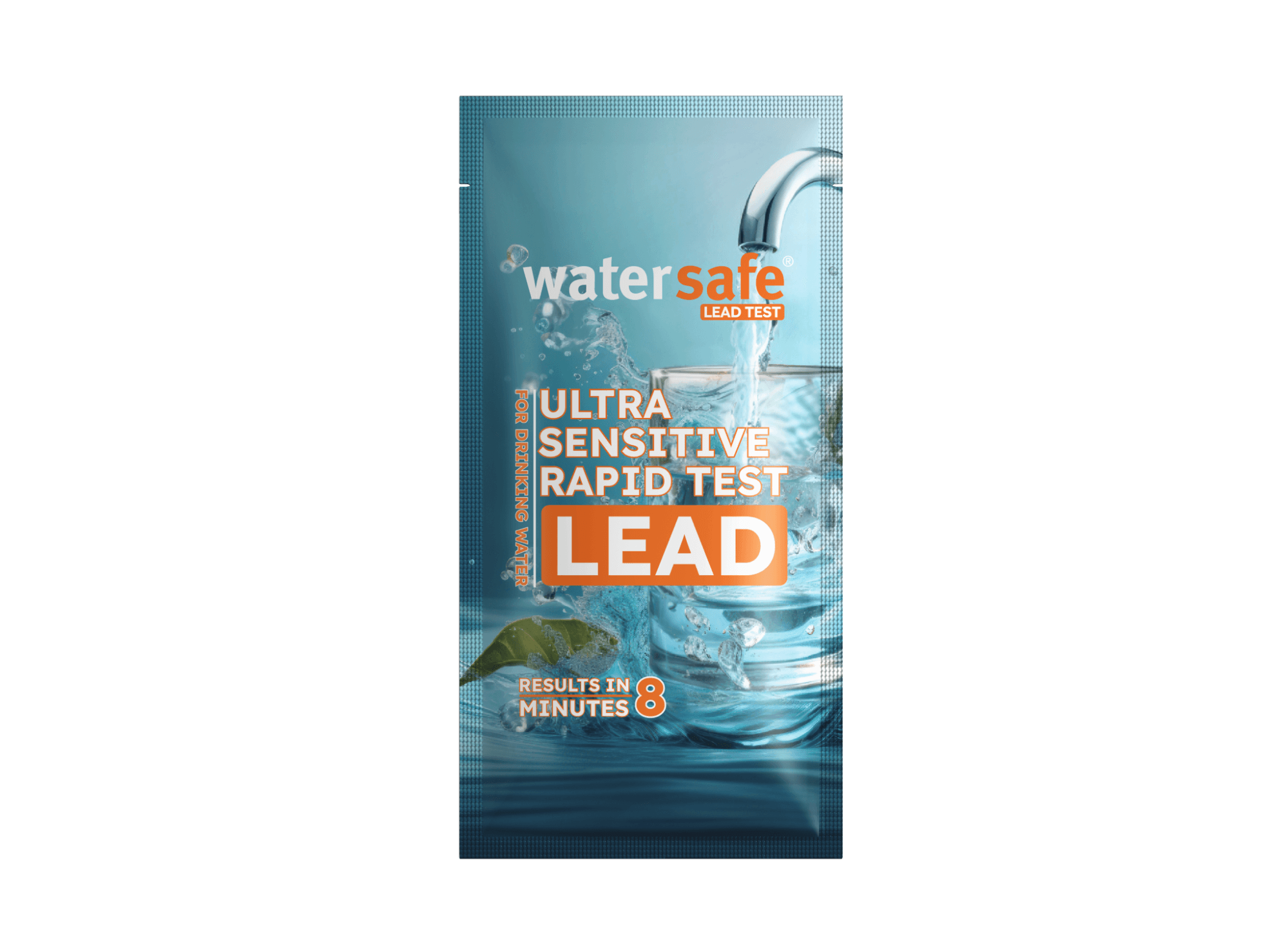
The good news is that this is a solvable problem. Testing drinking water for lead is inexpensive, fast, and increasingly accessible, thanks to the US-made Lead test from Watersafe. When elevated levels are found, filtration, plumbing adjustments, or alternative water sources can dramatically reduce exposure. And when lead is removed from the equation, dietary plans often become easier to follow, appetite becomes more predictable, and metabolic interventions work the way they’re supposed to.
Nutrition science has long emphasized the importance of what we eat. It’s time we also pay attention to what we drink, because the water in our glass may be shaping our hunger, our metabolism, and our ability to change our bodies more than we realize.

About Dr. Alex Gruzdev
Dr. Alex Gruzdev, Vice President of Sales and Marketing, Silver Lake Research Corp