

Stock Healthy Desk Options

I don't keep high-sugar snacks at my desk. I keep things like nuts, cheese sticks or fruit there instead, so when I'm hungry the easy choice is the better one.
It changed my workday more than I expected. My energy doesn't crash in the afternoon anymore, and I've noticed it in my skin too. What you eat shows up on your face.
Schedule a Filling Afternoon Bite
The most practical thing I've done to reduce mindless office snacking is to plan one satisfying snack into my workday instead of relying on willpower.
I'll bring something with protein and/or fiber—Greek yogurt with berries, fruit with a portion of nuts, a protein shake, or another simple option I know will actually keep me satisfied. I usually know roughly when I get hungry in the afternoon, so I eat proactively rather than waiting until I'm starving and standing next to whatever happens to be in the office.
That changed my workday eating because I stopped treating every snack as an unplanned decision. If someone brings in donuts or there's candy sitting around, I can still have some if I genuinely want it. The difference is I'm making that choice while reasonably satisfied rather than because I skipped lunch or went six hours without eating.
As a NASM Certified Nutrition Coach (CNC), ISSA Nutritionist, and CISSN, I don't think the answer is creating a list of forbidden office foods. Change the environment and plan ahead so the nutritious choice is just as convenient as the snack drawer.
Score Treats Before You Indulge

One practical method I recommend to my clients is to rate a snack on a scale from 0 to 10 before eating it. I encourage them to ask themselves: "How much do I genuinely enjoy this snack, and is it worth it to me?" If something scores a 5 or 6, it is often easier to leave it. If it scores a 9 or 10, they can consciously choose to eat it and truly enjoy it.
This method helps clients switch off autopilot. My guiding principle is: you can eat anything, but you don't always have to eat everything. By not strictly forbidding certain foods, we can avoid an all-or-nothing mindset. People do not have to turn down every snack, which makes them less likely to feel the urge to eat everything in sight later.
I find that this helps clients make more mindful and balanced choices during the working day. They are less likely to eat something simply because it is being offered or because their colleagues are having it. Instead, they mainly choose foods they genuinely enjoy and find it easier to leave snacks that are not worth it. This creates a more relaxed eating pattern, without strict rules or feelings of guilt.
Calendar Meals, Exclude Desk Food

The best approach to avoid mindless snacking at work is to consider your working day as training for a marathon. First and foremost, I have established a zero-food environment at my desk, regarding food as something you cannot bargain for and must eat on schedule. When your body is being trained for endurance events, you start realizing that food serves only the purpose of supplying our body with fuel and does not help you cope with stress. In my case, I only place liquid in my desk area - either water or black coffee.
My two decades of global team leadership and running high-risk IT projects have taught me that snacking is less about hunger than about the mental fatigue. Whenever there is an emergency situation with a client, or a deadline is about to be missed, the brain looks for a quick way to get energy. That is why each lunch and snack I eat during the day is put in the calendar. Thanks to this system, I save myself from being drained by stressful situations. Instead, I have changed my work schedule to provide myself with a stable level of energy throughout the day. Instead of consuming processed sugar during an 11 p.m. call with my team located in another part of the world, I take advantage of the benefits of pre-planned meals. This discipline helps me with more than just keep me fit for running; it allows me to fulfill my job requirements including leading a team of 650 people and working on projects in over 100 countries.
Carry Water and Coffee
I pack a refillable water bottle and my own coffee cup before I arrive at the office. Having those on hand keeps me hydrated and reduces the impulse to grab drinks or snack out of convenience. That simple repeatable habit has made my workday eating more regular and intentional and cuts down on midday snack runs. It also saves time and mental energy so I can focus on work rather than small decisions about food.
Adopt a Daily Fasting Window
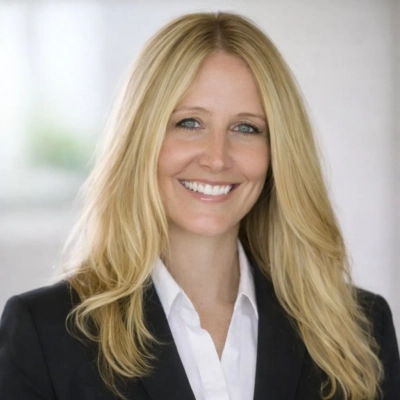 Vicki Brown CCWS™JS Benefits GroupCertified Corporate Wellness Specialist | SHRM Mental Health Ally | Corporate Wellness Strategist
I use a 12- to 16-hour daily fast, when appropriate, as a practical way to avoid unhealthy office snacking. During the fasting window I focus on drinking plenty of water and plan a nutrient-rich meal to break the fast instead of grazing. That planning reduces impulsive trips to the snack drawer and makes my eating times predictable. I add gentle movement mid-morning to reset energy without relying on sweets. Overall this routine has shifted my workday to fewer, more intentional meals and a stronger sense of control over appetite.
Set Out One Morning Snack

I run Breakthrough Apps, and we're a fully remote team, so I'm usually working from home. Everyone assumes remote work means healthier eating. In my experience it's the opposite. There's no office snack table, but the kitchen is fifteen steps from my desk, and I used to make that walk about six times a day.
The method that fixed it for me is simple. Every morning, before my first call, I decide what my one snack for the day is and put it on my desk. Usually it's an apple with almond butter, or a handful of nuts. If I want something between meals, that's what I eat. If I'm still hungry after it, I'll have more, but I've found that's rare.
The reason it works is that it takes the decision out of the moment. When you're deep in work and your brain wants a break, you're not going to make a great choice about food. I'd end up in the kitchen, staring at the pantry, and grabbing whatever was closest. Deciding in the morning, when I'm calm and not looking at chips, makes the choice for me.
The desk part matters too. Running a remote company means a lot of my day is back to back video calls, and I used to snack during them without noticing. Now I eat my snack in the gap between calls, away from the screen, so I actually register that I ate it. It sounds small, but mindless eating was the whole problem.
A few things have changed since I started. My afternoons are much steadier. I used to get a quick boost from something sugary and then feel foggy an hour later, right when I needed to be sharp for a team call or a decision. That crash mostly disappeared.
My lunch improved as well. Because I know a snack is coming, I stopped eating a rushed, light lunch and then being starving by 3pm. I sit down and eat a proper meal, and it holds me for longer.
The other change is that I'm more honest with myself. When I feel the urge to head to the kitchen now, I ask whether I'm hungry or just avoiding something on my list. Most of the time it's the second one, and just noticing that helps.
Whether you're in an office or working from home, try it for a week. Pick your snack tonight and keep it at your desk tomorrow, so the decision is already made before the 3pm craving shows up.
Serve Breakfast Before Laptop Use

One practical method: plate the first meal before the laptop opens, then keep the kitchen out of bounds until that meal is finished.
Most of my workday is UK or Dubai remote founder-ops at a desk a short walk from a cupboard that used to win 4 or 5 times before lunch. The rule is boring on purpose. When I sit down, food is already on the desk, usually something with enough protein that I am not hunting biscuits mid-call. Desk snack raids dropped from those 4 or 5 trips to about 1 intentional break after the meal is done. Afternoon Movement sessions and Sleep later that night both held better once the rebound sugar was out of the schedule.
The cupboard stopped being the default meeting room.
Segment Tasks Across Virtual Desktops

I use virtual desktops to separate task types and reduce context switching, which helps me avoid unhealthy office snacking. Each desktop holds the materials I need for a single type of work, so I work in focused blocks rather than jumping between tasks. That focus removes the small, frequent pauses that used to lead to mindless snacking at my desk. As a result I now take planned breaks for a proper snack or meal and am less likely to grab something impulsively during work.
Fuel Up Before Work

One practical strategy I use with clients is making sure that they don’t go into the workday underfed. Breakfast is an important foundation that sets the tone for the rest of the day. If a client has had a balanced meal with enough protein, fiber, and healthy fats that promotes satiety, they will be much less likely to start grazing on whatever happens to be around the office.
I also encourage clients to keep a planned, nutrient dense snack nearby that supports their protocol, such as fresh fruit, nuts, Greek yogurt, protein bars, or something else that combines protein and fiber. This way, if a client is truly hungry, they have options available instead of relying on a vending-machine or whatever someone else may have brought into the break room. Planning ahead is an essential component to avoiding making decisions that may not necessarily support a health goal.
I always tell clients that snacking is not inherently bad, but it does need to be intentional. Snacking can be a great way to spread out protein throughout the day, and to avoid arriving at meal times ravenous.
Prioritize Lunch Over Vending

If you're wearing the golden handcuffs, here's some low-hanging fruit for you. Ask HR, or whoever is in charge of buying the office snacks, to ask a dietitian what should be on the shelf. You eat what's in front of you. Change what's in front of you.
Beyond that, my one method is this: eat a real lunch. Most office snacking isn't a snack problem. It's a lunch problem. People have a salad at their desk at noon, or skip lunch for a meeting, and by 3 p.m. they're at the vending machine. That's not a lack of willpower. That's hunger.
So lunch has protein, a carbohydrate, and some fat, and I sit down to eat it. Then I plan one afternoon snack on purpose, something with protein, so I'm choosing it instead of grabbing whatever is closest.
Before I reach for anything else, I ask one question. Am I hungry, or do I need a break? A lot of the time it's a break. I'm tired, bored, or stuck on something. Food won't fix that. Five minutes away from the screen will.
It changed my workday. I'm not thinking about food all afternoon, my energy stays even, and I get home hungry for dinner instead of starving.