

8 Non-Nutrition Skills That Enhance Your Practice as a Nutritionist
Running a successful nutrition practice requires more than just knowledge of macronutrients and meal plans. This article explores eight essential non-nutrition skills that can transform how nutritionists work with clients, featuring insights from experienced practitioners in the field. These practical competencies range from building professional networks to understanding client psychology and developing culinary skills that make healthy eating more appealing.
Cultivate Strategic Connections
Outside of nutrition science, networking is definitely a skill that's enhanced my nutrition career. From meeting doctors to refer patients to me, to reaching out to companies to provide corporate presentations or cooking demos, it's a skill that everyone should embrace.

Listen With Trauma Awareness
One of the most valuable skills I've developed outside of nutrition science is the ability to listen deeply, alongside a trauma-informed perspective.
I'm not just observing what someone reports about their nutrition, but how they say it, noticing unconscious communication and subtle patterns.
Being trauma-informed helps me understand what's driving those patterns and where they may have come from.
Instead of trying to override them, I work with them, helping clients build awareness of what's happening beneath the surface.
This has completely changed how I practice, because nutrition is far more effective when it's shaped around the person, their history, and their complexity, not just the plan.
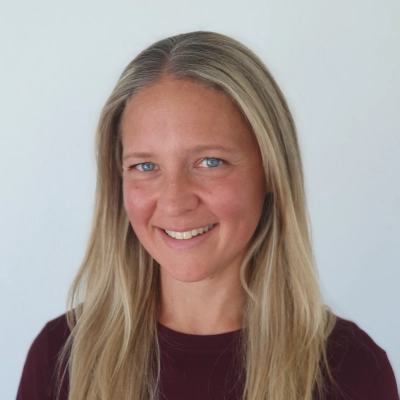
Create Tasty Healthy Meals
As a nutritionist, the most valuable skill I've developed outside of formal nutrition science is recipe development. Understanding nutrients is one thing, but knowing how to turn that information into meals people actually want to eat is what makes change sustainable.
Over time, I've learned to take a more traditional meals and make them healthier. I can take a store-bought food product and make a homemade version using whole food ingredients. This helps bridge the gap between know what to eat and making it realistic.
In my experience, people can struggle with information or with implementation. Being able to create meals that are both nutrient-dense and genuinely enjoyable can make healthy eating feel more achievable instead of overwhelming.

Apply Data Analytics Wisely
Data analytics turns scattered records into patterns that guide smarter change. When data are cleaned and organized, trends in outcomes and client engagement become visible. Simple predictive tools can flag who may need added support before problems grow.
Visual dashboards help teams see progress at a glance and act quickly. Clear metrics also help decision makers understand impact and support new efforts. Choose a few meaningful measures and build a basic dashboard to get started today.
Manage Complex Treatment Pathways
Project management brings order to complex care plans that involve many people. A clear scope keeps goals focused on what the client needs most. Timelines and milestones create steady progress and reduce last-minute stress.
Defined roles improve handoffs across the clinical and community team. Regular risk checks catch barriers early and avoid costly delays. Create a simple project charter to guide your next care pathway today.
Honor Culture Build Trust
Cultural competence strengthens trust by showing respect for how people live and eat. Understanding local beliefs leads to plans that feel safe and doable. Clear words and simple visuals reduce confusion and support real change.
Awareness of faith practices and daily routines prevents advice that clashes with life. Working with local partners opens doors to communities that may be missed. Map the cultures you serve and tailor one education tool to them today.
Design Clear Inclusive Materials
Graphic design turns complex nutrition ideas into messages that are easy to grasp. A clear structure guides the eye to the most important points first. Ample white space and plain words reduce overload and improve recall.
High contrast and readable fonts help people see and use the material quickly. Inclusive images help clients feel seen and more willing to try new steps. Pick one handout and make it clearer and more inviting today.
Negotiate Collaborative Agreements
Negotiation skills turn potential conflict into shared solutions for client care. Framing goals around common outcomes builds alignment. Open questions surface interests beneath fixed positions and reveal room to trade.
A calm tone and fair standards keep talks productive under pressure. Preparing must-haves and flexible options prevents last-minute stalls. Before the next team meeting, choose a clear goal and rehearse one open question.