

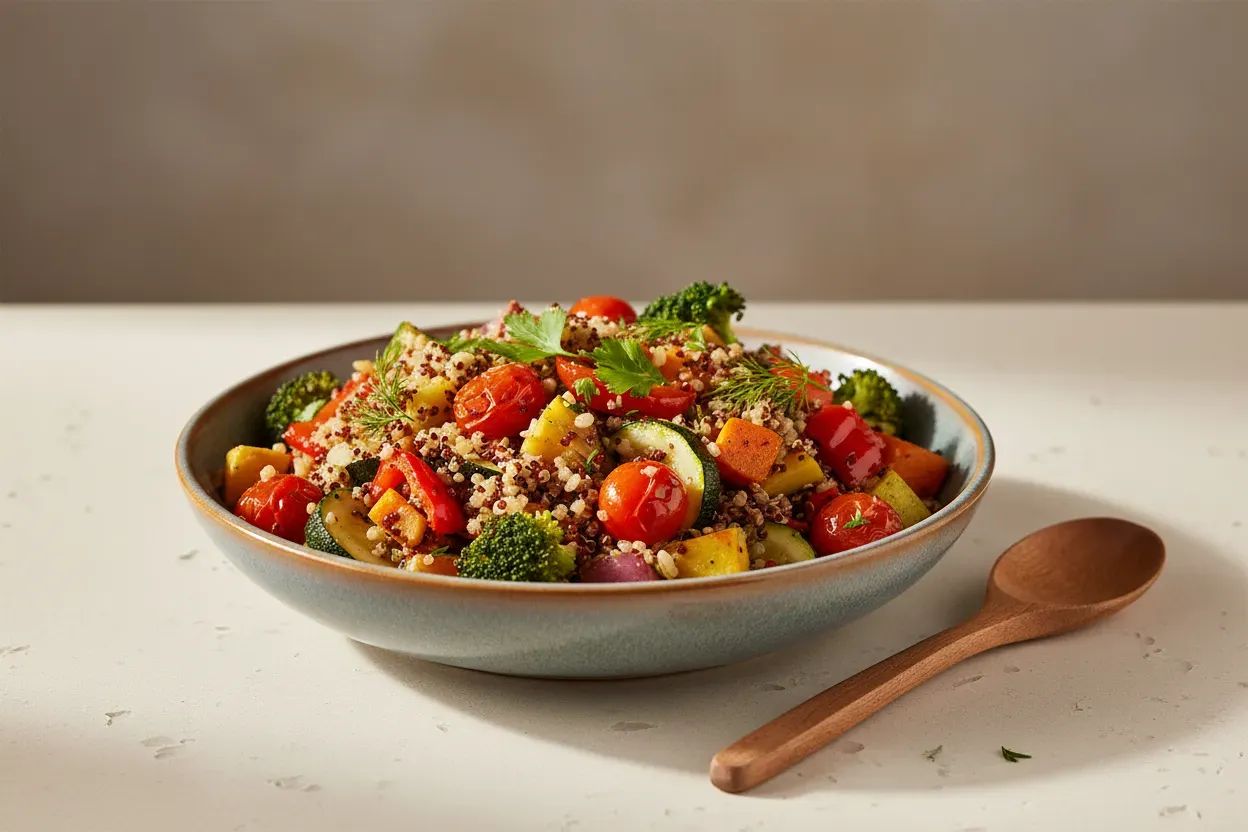
Master a Familiar Balanced Plate

I would start with one small, repeatable skill rather than asking someone to completely change the way they cook.
For example, learning how to build one simple balanced meal from familiar foods can be much more useful than giving someone a long list of complicated recipes. Once that feels comfortable, they can gradually add another meal, cooking method, or ingredient.
The goal is to reduce friction. Simple meals, repeatable combinations, and basic preparation skills are often more sustainable than expecting someone to cook something new every day.
Confidence usually grows through repetition and small wins, not perfection.
Heather M. Hewett, Clinical Nutritionist & Holistic Wellness Expert
Welcome Imperfect Results as Practice
Cooking confidence grows when imperfect meals are treated as useful practice instead of failures. A dinner that is too salty, too dry, or simply unfamiliar can show what to change next time. Nutrition counseling can help clients name one thing that worked before focusing on what did not.
This approach lowers shame and makes another attempt feel more possible. Even a simple meal made at home can build skills with planning, timing, and taste. Encourage clients to choose one recent meal and notice what it taught them.
Set Up Visual Kitchen Cues
Visual cues can make meal choices feel easier when a client is tired or rushed. A photo of balanced plate ideas, labeled pantry bins, or a simple color guide can reduce the number of decisions needed. Seeing beans, grains, vegetables, and proteins grouped by type helps clients quickly build a meal from what they have.
These cues also support people who feel overwhelmed by detailed recipes or nutrition numbers. The goal is not to make every plate look perfect, but to make the next step clear. Help clients create one visual reminder in their kitchen today.
Make Flexible Ingredient Swaps
Flexible substitutions can reduce the pressure to follow a recipe exactly. Clients can learn that frozen vegetables can stand in for fresh ones, and canned beans can replace cooked dried beans. Simple swaps help meals continue when an ingredient is missing, too costly, or not preferred.
This skill also allows clients to use food already at home, which can reduce waste and save money. Nutrition counseling can focus on the role an ingredient plays, such as adding protein, flavor, or texture. Invite clients to practice one easy ingredient swap in their next meal.
Reflect With Gentle Curiosity
A calm review of meals can help clients learn without turning food into a test. Instead of asking whether a meal was good or bad, counseling can explore whether it was filling, enjoyable, affordable, and realistic to make again. Clients may notice patterns in hunger, energy, or preparation time that guide future choices.
This type of reflection respects personal culture, taste, and daily limits. It also creates room for change without guilt or strict rules. Encourage clients to reflect on their next meal with curiosity rather than judgment.
Establish a Simple Weekly Routine
Steady cooking habits matter more than advanced techniques or impressive recipes. A client who makes breakfast twice a week is building a stronger base than someone who tries one difficult meal and quits. Counseling can highlight repeatable actions, such as washing produce after shopping or cooking an extra portion for tomorrow.
Small routines make healthy eating feel more normal and less like a special project. Celebrating these efforts helps clients see that progress comes from showing up again. Ask clients to pick one simple cooking habit to repeat this week.