

Keep Tortillas Load Protein and Nopales

At RGV Direct Care Family Clinic, we believe you should never have to choose between your heritage and your health. In the Rio Grande Valley, food is culture, connection, and family. When we work with patients managing chronic conditions like diabetes, hypertension, or weight loss challenges, we don't hand them a list of forbidden foods. That restrictive approach fails because it ignores the soul of our community. Instead, we use an integrative medicine approach that blends traditional medical practices with holistic, realistic lifestyle adjustments.
One counseling phrase we use to build trust is: "Let's focus on what we can add, not what we must subtract." For example, instead of telling a patient to stop eating traditional corn tortillas, we suggest a simple menu tweak. Keep the tortillas, but load them with lean protein, fresh avocado, and high-fiber vegetables like nopales. This keeps the cherished meal intact while slowing down glucose absorption. It's a practical adjustment that supports blood sugar management without triggering feelings of deprivation.
We've found that clear communication is how we build lasting trust. Our board-certified family physician, Dr. Fausto M. Escobedo, even offers faith-friendly care, praying with patients upon request. This deep respect for our patients' spiritual and cultural values forms the foundation of our primary care. By treating the whole person, we show that traditional foods can coexist with health targets. We teach patients how to manage their wellness without losing their identity. That is how we achieve long-term success at our Weslaco clinic, proving that health and heritage can thrive together.
Center the Day Around Beloved Stew

Something that I do is make the meal of the day around the cultural dish instead of trying to change the dish itself. In Quito, where I am based, there are patients from many different backgrounds, including indigenous peoples, coastal families and highland traditions, and therefore, each of these groups has dishes that are associated with celebrations, religious observances and family identity. Trying to get someone to change how their grandmother prepared their food is requesting to remove their culture, and will not work in almost all situations.
So instead, I ask this one question at the start: "What is the food you could never give up?" Whatever that was, I kept that food intact and then designed the rest of the day around it.
For example, one of my patients was a female with type 2 diabetes who wanted to keep eating seco de pollo (a rich Ecuadorian chicken stew) that her family prepared every Sunday. Instead of eliminating it, I helped her prepare a meal high in fibre and reduced the amount of refined carbohydrates on Friday and Saturday, so by Sunday, her glucose level was able to accommodate eating the stew without excessively elevating it.
Start Veggies First Enjoy Starches Later
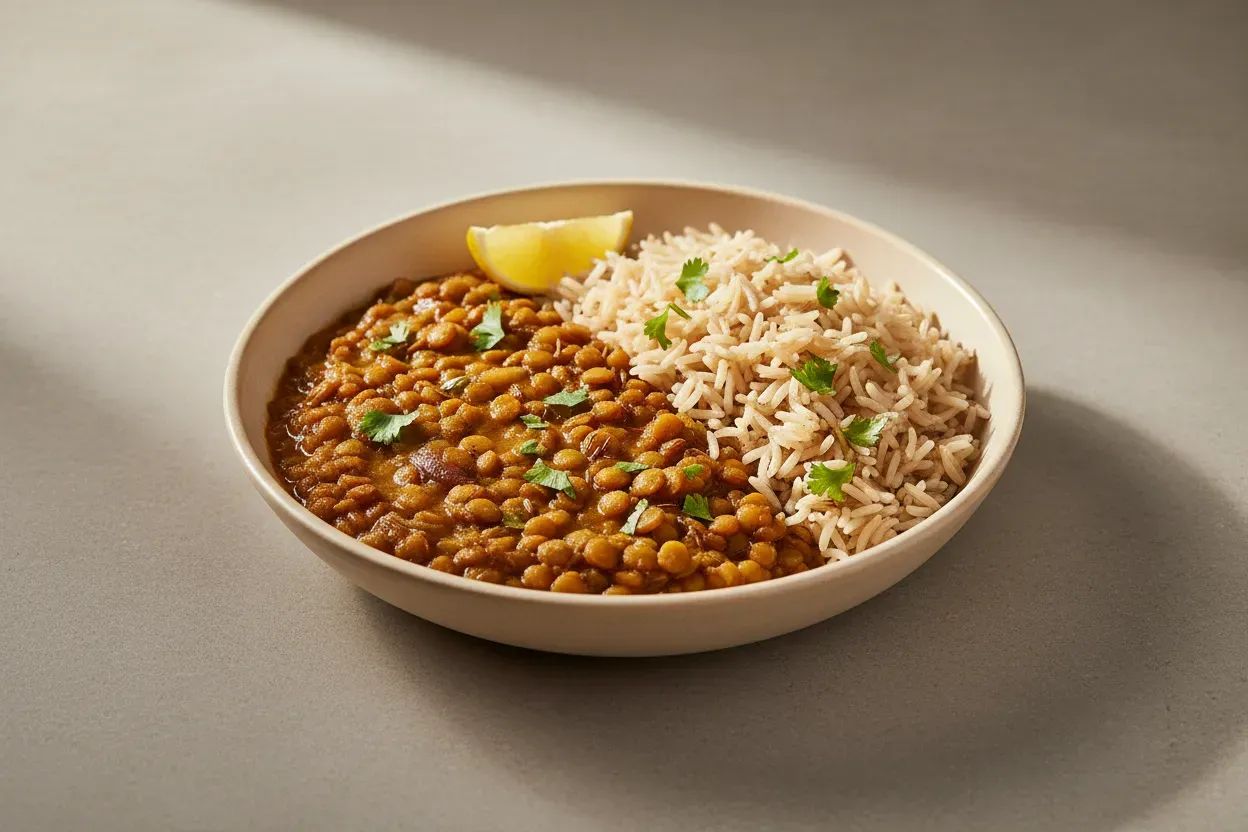
Meal order can help steady blood sugar while honoring tradition. Starting with vegetables, broth-based soups, or tangy pickles slows digestion and prepares the body for the rest of the meal. Placing protein foods like meat, eggs, tofu, beans, or lentils next and enjoying starches like rice, injera, or roti afterward can soften the rise in glucose.
Sweet tea, fruit, or desserts can then be enjoyed at the end, where fiber and protein have already set a steady base. This rhythm keeps all foods in the picture and respects long-held customs. Plan your next meal with this order in mind and notice how your energy feels afterward.
Let Rituals Slow Bites and Build Fullness
Cultural rituals around the table naturally slow the pace of eating and support fullness cues. Serving elders first, passing shared bowls, saying a blessing, or sipping tea between bites builds pauses that let hunger fade gently. Dietitians encourage keeping these patterns because they foster mindful chewing and relaxed social time.
When conversation flows, utensils rest, and smaller bites become the norm, portions feel right without strict rules. Families can set the table to invite these pauses, such as placing water or tea within easy reach and clearing screens. Invite your household to enjoy a slower shared meal this week and see how it shapes comfort and fullness.
Use Hands to Guide Portions
Hand-based guides make portions clear without measuring tools or strict rules. A palm can suggest a protein serve, a cupped hand can guide grains or starchy sides, a fist can point to vegetables, and a thumb can mark added fats. This method works at home, at festivals, and at restaurants because hands travel everywhere.
It also flexes with hunger, activity, and health needs by letting people add or shrink portions with ease. Shared platters still fit, because each person can build a plate that suits the moment. Try using your hand to shape portions at your next meal and notice how simple it feels.
Reframe Staples as Nutrient Assets
Dietitians often begin by honoring the nutrient power of staple foods within a person’s culture. They show how items like beans, lentils, yams, teff, plantains, and fermented vegetables supply fiber, protein, minerals, and slow-digesting carbs. This view reframes classic dishes as assets that can support heart health, gut health, and steady energy.
Rather than swapping foods out, they match portions and pairings so the same beloved dishes meet health goals. Names, spices, and mealtime customs stay intact, which builds pride and trust. Ask a dietitian to map the key nutrients in your favorite cultural meals and show how they serve your goals today.
Preserve Flavor Cut Heavy Fats
Cooking methods can be tuned to support health while flavors of home stay vivid. Dietitians might suggest grilling, steaming, pressure cooking, or baking on some days in place of frequent deep frying. To keep full flavor, spices can be bloomed in a little oil, herbs can be added fresh, and citrus, vinegar, or savory pastes can lift taste.
Skimming stews, choosing oils with a higher smoke point, and using broth to loosen browned bits can also lower heavy fats without dulling the dish. Beloved aromas and textures remain, and family recipes stay recognizable on the table. Choose one small cooking swap for a favorite recipe this week and enjoy the same flavor with a lighter touch.