

2 practitionersAnna Evans, Minas Aslanyan
Shift workers face unique challenges when it comes to maintaining healthy eating habits due to irregular schedules and disrupted circadian rhythms. This article provides practical meal timing strategies specifically designed for those working non-traditional hours, featuring insights from nutrition experts who specialize in occupational health. Learn evidence-based approaches to align your eating patterns with your work schedule rather than conventional mealtimes.

The mistake most rotating-shift workers make with food isn't what they eat. It's eating on the wall clock instead of on their personal day.
The body doesn't care that it's 3am -- it cares whether the brain has been awake for three hours or thirteen. So we anchor everything to wake-up, not to the time on the wall. Wake-up plus one hour: a protein-forward meal, treated as breakfast even if the kitchen is dark. Wake-up plus four to five hours: a real lunch -- full meal, not a snack. Wake-up plus eight to nine hours: an anchor meal that isn't dinner-shaped, because dinner-style food this close to sleep is what wrecks night-shift workers.
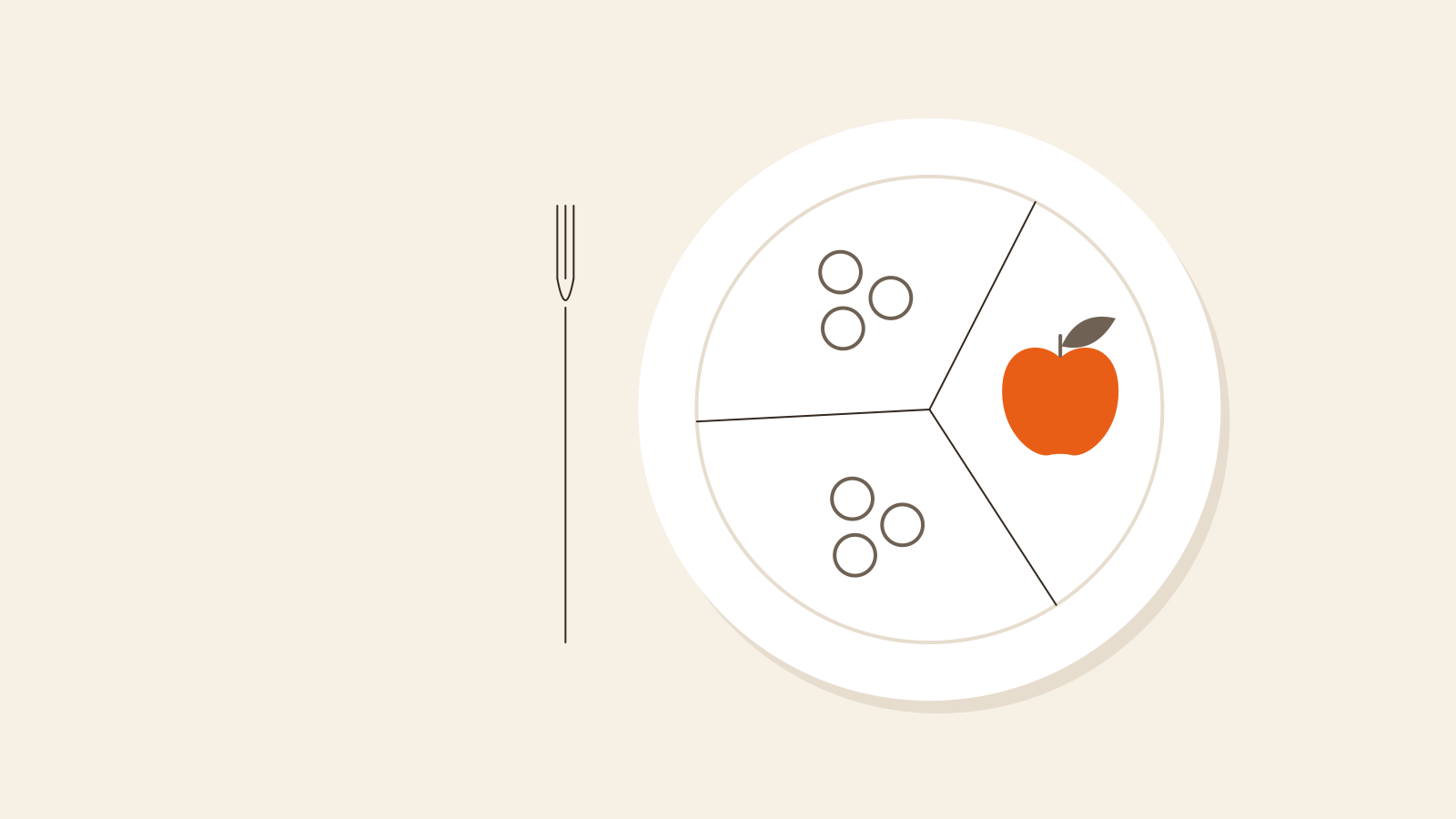
The dependable snack pattern that's worked best for the rotating-shift folks I've cared for: half a serving of slow-protein and a piece of fruit, two hours before they want to be asleep. Greek yogurt and a peach. Cottage cheese and an apple. Boring on purpose. The protein gives a slow nighttime amino-acid release that supports recovery; the carb is just enough to allow the cortisol-and-melatonin handover to happen. Anything heavier and they wake up groggy and inflamed.
The other rule is no caffeine after the halfway mark of their shift. Six hours into a twelve-hour shift, the second coffee feels essential and is what kills the four hours of sleep on the other side.
The body doesn't read clocks. It reads patterns. Build the pattern around when you wake, not when other people are eating.
I try to give the day a few "anchors" instead of forcing a normal breakfast-lunch-dinner schedule. The most important anchor is a real healthy meal before the shift starts: protein, fiber-rich carbs, and something satisfying enough that the I do not chase snacks all night.
Stopping caffeine at least six hours before sleep helps the brain unwind. Caffeine blocks sleep signals and can cut deep sleep even if you still fall asleep. This includes coffee, strong tea, energy drinks, pre-workout, and some sodas. For day sleep after a night shift, count back six hours from the planned bedtime and set that as the cutoff.
If cravings hit, switch to water, herbal tea, or a small snack with protein. Keeping this buffer also lowers heart rate and eases late shift jitters. Set a timer today that marks your caffeine cutoff six hours before your next sleep.
A larger meal is handled best when it lines up with natural light and the body clock. Daylight signals daytime to the brain and gut, which helps the body use a bigger meal well. Placing most calories in this window can steady energy and reduce evening snacking. For night crews, this could mean eating the main meal before work while the sun is still up.
If the shift starts in darkness, aim for the first long break near sunrise rather than the final hours. Bright light during the meal, even from a light box, can support this timing. Schedule your biggest meal to fall during daylight on your next shift.
Eating more carbs before the hardest part of a shift gives working muscles fast fuel. This timing can raise focus and strength while limiting dips in blood sugar. Choose slow to medium carbs with some protein one to two hours before the peak task block. Keeping carbs lighter near the end of the shift can make it easier to fall asleep.
Plan around your real peak, whether it is a heavy case load, a busy lunch rush, or dawn stocking. Consistent timing trains the body to expect and use that fuel. Pack a carb rich meal for the window just before your toughest work and try it this week.
A light, low fat meal in the middle of a shift keeps the stomach calm and the mind alert. High fat meals empty slowly and can cause heaviness or heartburn during hard work. A small plate with lean protein, gentle carbs, and some fiber gives steady energy without a crash. Keeping spices and grease modest also lowers the risk of reflux during overnight hours.
This approach helps avoid the slump that often hits late in long shifts. Use the midpoint meal to steady hunger without making sleep harder later. Plan a simple, low fat mid-shift meal for your next workday and put the ingredients on your list now.
Starting fluids early in the shift helps prevent headaches and fatigue. Steady sips keep the mouth, brain, and muscles working well. Begin to taper drinks two to three hours before sleep to avoid bathroom trips at night or daytime sleep. Add a pinch of salt or an electrolyte packet earlier in the shift if heavy sweat is likely.
Eat a water rich food, like fruit or soup, earlier rather than right before bed. This pattern supports both performance and solid rest. Fill a bottle at clock in and set a reminder to slow fluids a few hours before your planned sleep.