

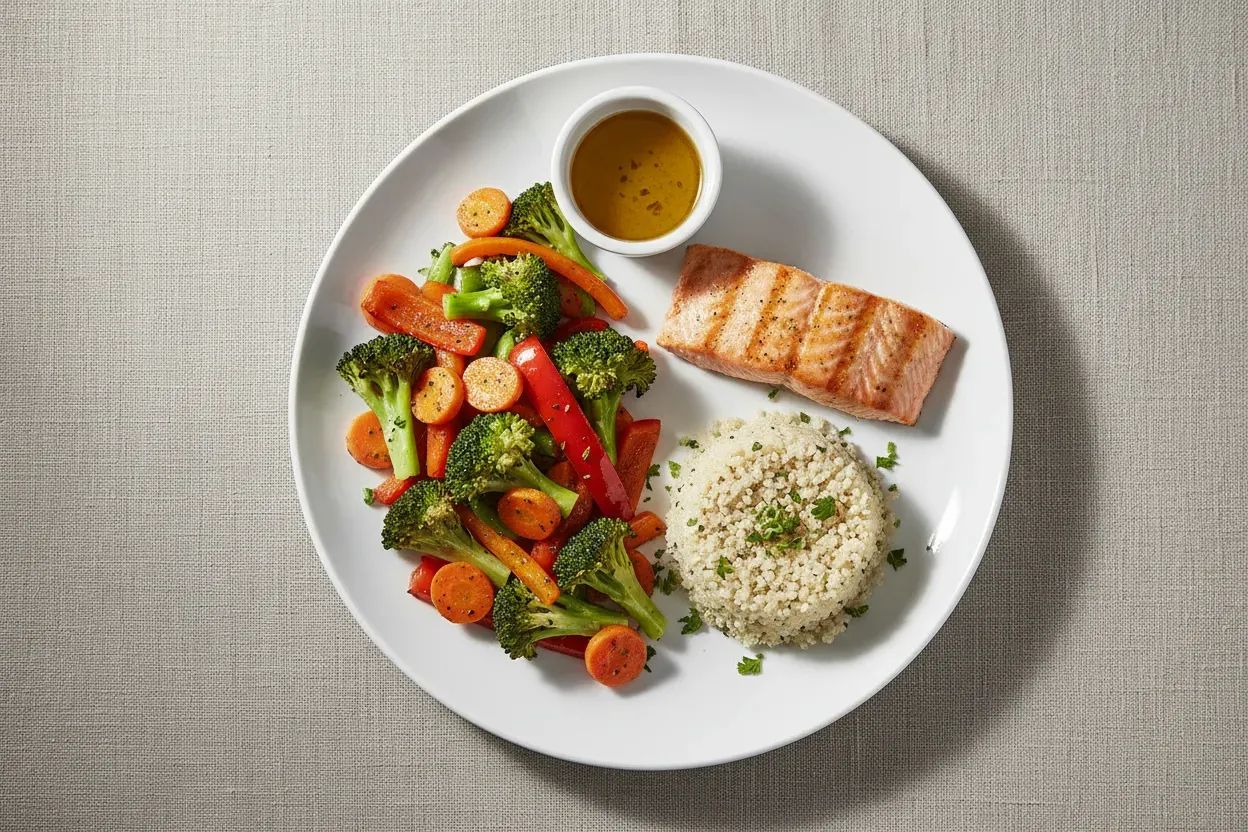
Order Protein First with Sauce on Side

At NYC Meal Prep, I design meal plans around real life, so I never expect clients to avoid restaurants or skip vacations to stay healthy. Instead, I teach them how to make confident choices wherever they eat. Before a trip or dinner out, we'll often discuss the menu and identify a few balanced options so they can enjoy the experience without second-guessing every bite. One of my favorite tips is to order a protein-forward entree and ask for sauces or dressings on the side. It's a simple adjustment that preserves the restaurant experience while making it much easier to stay on track with long-term health goals.
Halve Your Entree When It Arrives

At RGV Direct Care in Weslaco, we've watched families navigate Valley restaurants and vacation buffets without abandoning their weight or chronic-disease goals. The trick isn't willpower at midnight; it's deciding your portion story before you're smelling fajitas.
The ordering tactic I recommend because patients actually stick with it: pick the dish you want for flavor, then use the "container on arrival" rule. When the server sets your plate down, ask for a to-go box right then. Move half the entree in before you eat. Restaurants aren't portioning for your A1C or your blood pressure targets; they're portioning for appetite. You're taking back control without ordering the sad salad while everyone else gets enchiladas.
Before travel, we spend two minutes on the menu online. Protein you can see, vegetables you can request as a side instead of fries, dressings and sauces on the side so you're not guessing. For folks working on obesity or diabetes management, I describe one plate: vegetables as the anchor, protein about palm-sized, starch as the smaller corner if you want it at all.
Don't show up ravenous. A handful of nuts or yogurt an hour before dinner keeps "order everything" hunger out of the driver's seat.
Social meals matter for mental well-being, and our integrative approach isn't food fear. Share dessert if that's the treat. On road trips, buy one reasonable item, eat half, save half.
We explain tradeoffs the way we build trust in clinic: enjoy the occasion, protect the goal, one habit that survives real life. That's how you dine out and travel without derailing what you're building at home.
Build Balanced Plates Eat with Intention

The pressure people feel to not "derail" their goals or undo all of their progress while eating at a restaurant or traveling is very real. As an anti-inflammatory dietitian with a realistic approach to eating, I tell clients to focus on balance rather than avoiding a specific food or food group. Wherever you are, aim to build meals that include a carbohydrate, protein, and fat (and snacks with at least two of those). Another one of my favorite strategies is to slow down and be present. Enjoy the food, the people you're with, and the experience. Eating mindfully not only supports digestion but also helps you tune into your hunger and fullness cues, making it easier to stop when you're satisfied instead of overly full which may leave you feeling guilty and sluggish later. Most importantly, remember that one meal, one day, or even one vacation will never undo the progress and habits you've built over time!
Anchor Your Day with a Steady Breakfast
A steady breakfast acts like a daily anchor when meals later are unknown. A mix of protein, fiber, and healthy fat steadies blood sugar and tames midmorning cravings. Starting the day satisfied also makes it easier to pass on random pastry trays or oversized brunches.
On travel days, the same simple template works whether the options are hotel buffets or corner cafes. Local flavors can fit the plan by pairing a protein source with a slow-digesting carb. Choose a breakfast template now and stick with it tomorrow.
Carry Reliable Snacks to Bridge Gaps
Portable staples close the gap between long waits and the next real meal. Choosing sturdy, protein-rich snacks that keep well helps calm hunger before it turns into a binge. Having a ready bite cuts the pull of food courts and room service.
It also protects the budget and keeps energy steady on long days. A simple rule is to pack enough for two snacks each day and replace what gets used. Pack two dependable snacks before leaving for the day.
Alternate Drinks and Water to Pace Intake
Alternating alcoholic drinks with water lets social time stay fun while keeping intake in check. Water slows the pace, reduces dehydration, and helps the body clear alcohol. This lowers total calories and curbs the late-night hunger that leads to greasy orders.
Choosing a lighter drink and then switching to sparkling water with lime keeps a glass in hand without the extras. Setting a plan before the first round also makes it easier to stop when the limit is reached. Decide your drink and water rhythm before your next night out.
Walk Postmeal to Regulate Blood Sugar
Raising daily steps creates a gentle buffer for richer meals without turning travel into a workout. Frequent short walks increase daily burn and lift mood, which can reduce cravings. A ten-minute walk after eating also helps steady blood sugar and digestion.
Exploring a city on foot adds memories while adding movement. When time is tight, parking farther or pacing during calls can stack more steps with little effort. Map short walking windows into the day and start with one after your next meal.
Protect Sleep to Tame Cravings
Protecting sleep keeps hunger hormones in balance so willpower is not doing all the work. Short nights raise ghrelin, lower leptin, and push cravings for sugar and fat. A steady bedtime and morning light help reset the body clock during trips.
A cool, dark room and limited late caffeine support deeper rest. Better sleep also makes it easier to choose steady meals and skip mindless snacking. Set a firm sleep window and plan tonight's wind-down now.